What Is a Corn in the Toe? Definition & Quick Facts
A corn in the toe is a buildup of dead skin that forms a hard, painful bump on the top or sides of your toes. This condition, medically called a callus or corn depending on thickness and depth, develops when repeated pressure and friction irritate the skin repeatedly over time.
Corns are extremely common foot problems affecting millions of people annually. They differ from calluses primarily by location and depth, with corns being smaller, deeper, and more concentrated on the toes themselves.
Unlike some foot conditions, corns are almost entirely preventable through proper footwear and foot care choices.
Key Takeaways
- Direct answer: A corn in the toe is a hardened area of dead skin caused by repeated pressure and friction from tight shoes or toe rubbing against footwear.
- Quick relief option: Soaking your feet in warm water for 10-15 minutes softens the corn, making it easier to remove with gentle exfoliation using a pumice stone.
- Preventive strategy: Wearing properly fitting shoes with adequate space eliminates the pressure and friction that causes corns to develop in the first place.
- When to seek help: If home treatment doesn’t improve symptoms within 2 weeks, the corn becomes painful, or you have diabetes or circulation issues, schedule an appointment with a podiatrist immediately.
Why Do Corns Form on Toes? Causes & Risk Factors
Corns develop when specific conditions create sustained pressure on small areas of skin. Understanding the root cause helps you prevent future corns and choose appropriate treatment.
Primary Cause: Pressure and Friction
The main culprit is simple: wearing shoes that don’t fit properly. When footwear rubs against your toes repeatedly, the skin responds by thickening as a protective measure, forming a corn in the toe.
High heels create particular risk because they compress toes into a narrow space while shifting body weight forward. Even shoes that seemed comfortable initially can cause problems if they rub in specific areas during extended wear.
Secondary Contributing Factors
Structural foot problems like high arches, hammertoes, or bunions alter how your foot sits inside a shoe, creating abnormal pressure points where corns develop.
Toe-to-toe friction occurs when toes overlap or squeeze together, pressing skin against itself. This commonly happens with the fifth toe (pinky toe) rubbing against the fourth toe.
Repetitive physical activities like running or dancing increase friction and pressure on specific toe areas, accelerating corn formation in athletes or active individuals.
Age-related changes affect skin elasticity and moisture, making older adults more susceptible to corn development even with shoes that previously caused no problems.
Identifying Corns: Symptoms & How to Recognize Them
Recognizing corn symptoms early allows you to address the problem before it becomes painful or severely bothersome.
Visible Signs of a Corn in the Toe
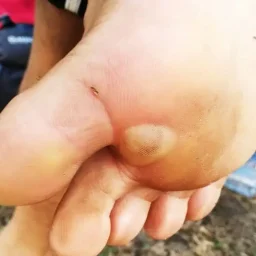
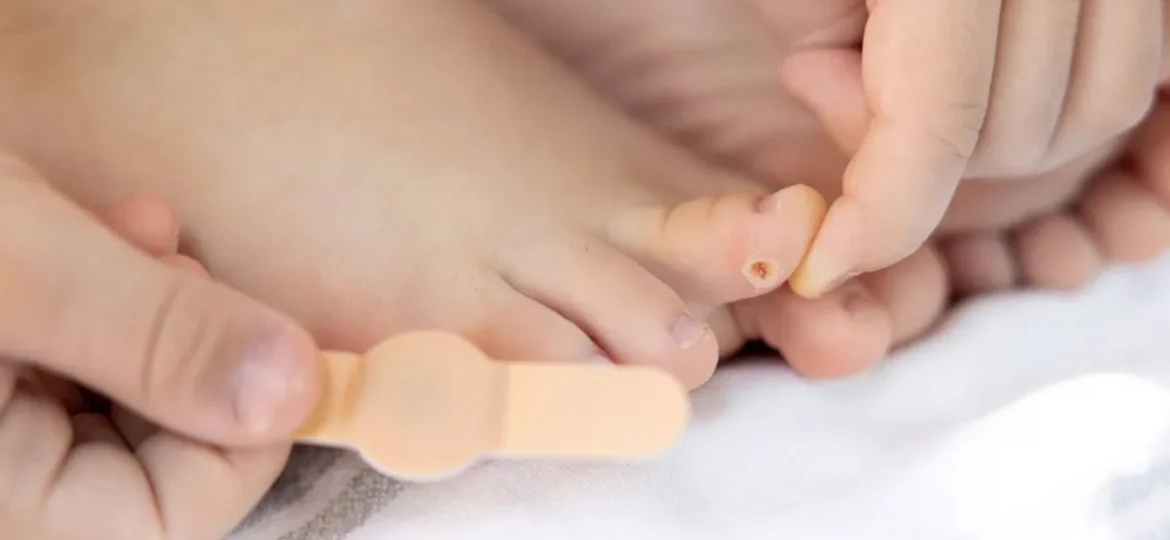
Look for a distinct hard, rounded bump on the surface of your toe. The corn typically has a yellowish or brownish color with a darker center, distinguishing it from surrounding healthy skin.
You might notice the skin around the corn appears irritated or reddish. Some corns develop a waxy, translucent appearance due to the concentrated dead skin accumulation.
The corn’s location matters diagnostically: corns forming on the top of toes differ from those between toes, which tend to be softer due to moisture in that environment.
Pain and Discomfort Patterns
Sharp pain when wearing certain shoes is the most common symptom, particularly with high heels or tight-fitting footwear. The pain typically intensifies as pressure on the corn increases.
Morning stiffness in the affected toe is common, especially if the corn developed recently. As you walk and the corn warms up, this stiffness usually improves.
Some people experience radiating discomfort up the toe or into the ball of the foot if the corn affects your normal walking pattern. This secondary pain indicates the corn has begun altering how you naturally move.
When Symptoms Require Immediate Attention
Severe pain that prevents normal walking warrants professional evaluation within 24-48 hours. This level of discomfort often indicates a deeper corn or secondary infection risk.
Signs of infection include warmth, redness, pus, or drainage around the corn. Any of these symptoms requires immediate podiatric attention to prevent serious complications.
Rapid growth where a corn enlarges visibly in just days suggests possible infection or a different condition requiring professional diagnosis.
Home Treatment Options for Corns on Toes
Most corns respond well to conservative home treatment, especially when addressed early before they become deeply rooted.
Immediate Relief Techniques
Warm water soaking is your first line of defense. Soak your feet in warm water for 10-15 minutes daily to soften dead skin and reduce pain. This simple step makes the corn more pliable for gentle removal.
After soaking, gently exfoliate the softened corn using a pumice stone or foot file. Use light, circular motions—never aggressive scrubbing—to gradually reduce the corn’s height. This typically requires 2-3 minutes of careful work.
Pad placement provides immediate relief by reducing pressure on the corn. Over-the-counter corn pads create a protective barrier between your shoe and the corn, though they work best as temporary solutions rather than permanent fixes.
Footwear Modifications
Switch to shoes with wider toe boxes that eliminate the pressure causing your corn. Avoid high heels or tight-fitting shoes entirely while treating the corn. Athletic shoes or sandals with arch support are ideal choices.
Choose soft, breathable materials that don’t create friction. Leather tends to mold better to your foot over time compared to synthetic materials that maintain rigid pressure points.
Consider custom insoles or padding that redistribute pressure away from the affected toe. Even simple gel inserts can significantly reduce the friction causing your corn to worsen.
Preventive Care While Treating
Daily foot inspection helps catch any signs of infection or worsening symptoms. Look for increased redness, warmth, or drainage that would signal professional intervention is needed.
Maintain proper foot hygiene by washing daily and keeping skin moisturized. Dry feet properly after soaking, as moisture trapped around the corn can encourage bacterial growth.
Avoid self-surgery attempts like using razors, knives, or other sharp tools to remove corns. These dangerous practices risk serious infection, deep scarring, or permanent damage to surrounding tissue.
Professional Treatment Options: When Home Care Isn’t Enough
If home treatment doesn’t resolve your corn within 2-3 weeks, or if pain interferes with daily activities, professional podiatric treatment becomes necessary.
Conservative Professional Treatments
Professional debridement involves a podiatrist carefully removing the hardened corn tissue using specialized instruments. This painless procedure removes significantly more dead skin than home soaking and filing can achieve.
Custom orthotics address underlying biomechanical problems causing pressure on specific toes. These personalized shoe inserts redistribute weight and eliminate the conditions that create corns.
Prescription medications like keratolytic agents chemically soften and remove corn tissue when applied as directed. These are stronger than over-the-counter options but require professional guidance to avoid damaging healthy skin.
Advanced Treatment Options For Corn In The Toe
Cryotherapy uses freezing to destroy corn tissue, causing it to separate from healthy skin within 1-2 weeks. This quick, office-based procedure works well for corns that haven’t responded to other treatments.
Laser treatment vaporizes corn tissue while sealing blood vessels to prevent bleeding. This minimally invasive option produces minimal discomfort and requires no bandaging or recovery time.
Surgical corn removal becomes necessary only for severely painful corns or those caused by bone deformities. During this minor surgical procedure, the podiatrist removes the corn and may reshape underlying bone if needed to prevent recurrence.
Prevention: Stop Corns from Returning
The most effective corn treatment is prevention—eliminating the conditions that allow them to develop in the first place.
Essential Prevention Strategies
Invest in properly fitting shoes that provide at least a half-inch clearance at the longest toe. Your shoes should feel comfortable immediately without requiring a “break-in” period.
Measure your feet regularly since shoe size can change with age, weight fluctuations, or pregnancy. Many people wear the same size for years without realizing their feet have changed.
Choose footwear based on foot shape rather than style. Wide shoes suit wide feet better than cramming wide feet into standard widths, regardless of how attractive the shoe appears.
Limit high heel wear to special occasions, and when you do wear them, restrict wear to 2-3 hours maximum. The daily use of high heels nearly guarantees corn formation over time.
Ongoing Foot Care Maintenance
Weekly foot inspections catch emerging problems before they become corns. Look for any areas of redness, thickened skin, or early pressure spots.
Regular moisturizing keeps skin supple and less prone to developing hard, dry corns. Apply moisturizer daily, especially to areas prone to friction.
Proper nail trimming prevents ingrown toenails that can indirectly cause corns by altering toe position and creating abnormal pressure patterns.
Weight management reduces overall pressure on your feet, decreasing the likelihood of corns developing on weight-bearing areas like the toe ball.
Decision Framework: When to See a Podiatrist
Understanding urgency levels helps you determine whether home treatment is appropriate or professional care is necessary.
Seek Immediate Care (Within 24 Hours)
- Corn accompanied by warmth, redness, pus, or drainage
- Severe pain preventing normal walking or daily activities
- Signs of infection spreading beyond the immediate corn area
- Sudden rapid enlargement of the corn
- If you have diabetes, circulatory issues, or immune system conditions
- If the corn is on a joint causing functional impairment
Why this matters: Infections in foot corns can spread rapidly to deeper tissues. Diabetics especially risk serious complications from minor foot problems.
Schedule Regular Appointment (Within 1-2 Weeks)
- Corn unresponsive to home treatment after 10-14 days
- Increasing pain despite home care efforts
- Multiple corns developing on different toes
- Corn returning repeatedly after previous removal
- Difficulty finding shoes that don’t aggravate the corn
- Underlying foot deformity contributing to corn formation
What to expect: A podiatrist will evaluate the corn, identify causative factors, and recommend appropriate professional treatment.
Monitor at Home (Self-Care Appropriate)
- Newly formed, painless corn with clear cause (tight shoes)
- Corn that responds well to home soaking and gentle exfoliation
- No signs of infection or secondary problems
- Successful prevention through footwear modifications
- Corn that improves noticeably within 5-7 days of treatment
Home care works best when: The corn is small, painless, and you can identify and eliminate the pressure source causing it.
Expert Podiatrist Perspective: Why Professional Treatment Matters
At Certified Foot and Ankle Specialists, we evaluate every corn in the toe within the context of your overall foot health and structure. What appears to be a simple corn often signals underlying biomechanical issues affecting your long-term foot function.
Professional evaluation reveals whether your corn results from simple poor shoe fit (easily corrected) or from structural problems like hammertoes, bunions, or foot arch abnormalities requiring ongoing management.
Board-certified podiatrists possess specialized training in corn removal techniques that minimize scarring and recurrence risk. We use evidence-based approaches backed by years of clinical experience with thousands of patients.
We also identify risk factors you might not recognize—like early-stage arthritis affecting toe alignment or subtle gait abnormalities that create abnormal pressure patterns—that contribute to corn formation.

Dr. Ashley Bowles
*About the Author: Dr. Ashley Bowles ,DPM
This article was reviewed by a board-certified podiatrist with over 15 years of experience in diagnosing and treating foot and ankle conditions. Our practice specializes in comprehensive foot care, from common conditions like tendonitis to complex surgical interventions.
Frequently Asked Questions About Corns in The Toe
Q: Can I remove a corn myself at home?
A: You can manage early-stage corns with soaking, gentle exfoliation, and proper footwear. Avoid sharp instruments that risk infection. If home care doesn’t work after 2 weeks, seek professional help.
Q: Do corns go away on their own?
A: No, corns don’t disappear without intervention. Removing the pressure source slows growth but doesn’t eliminate established corns. Professional removal provides the fastest resolution.
Q: How long does it take to remove a corn?
A: Professional removal takes 5-10 minutes for the procedure itself. Complete healing typically takes 1-2 weeks, though you can resume normal activities immediately.
Q: Will my corn come back after treatment?
A: Recurrence depends on whether you eliminate the causative pressure. If you switch to proper footwear, recurrence is unlikely. Without footwear changes, corns frequently return.
Q: Is corn removal painful?
A: Professional debridement is painless because dead corn tissue has no nerve endings. You might feel mild pressure or vibration but no actual pain during removal.
Q: Are corns contagious?
A: No, corns are not contagious. They result from mechanical pressure, not infection or fungus, so you cannot spread them to others or catch them from someone else.