QUICK ANSWER
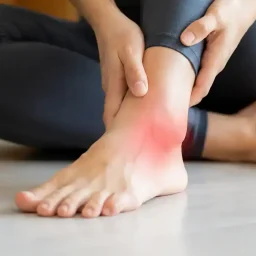
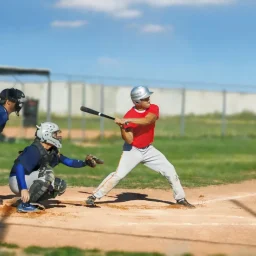
Football foot injuries affect millions of players each season, from NFL professionals to weekend warriors. As a board-certified podiatrist at Certified Foot and Ankle Specialists, I’ve treated countless athletes dealing with the physical demands of America’s most popular sport, especially during the intense Super Bowl season.
Key Takeaways
- Turf toe and Lisfranc injuries are the most season-ending foot injuries in football, requiring immediate professional evaluation to prevent chronic instability
- Proper footwear selection matters more than you think. The wrong cleats can increase your risk of ACL tears and ankle sprains by creating excessive traction
- Early intervention is critical: What feels like a “minor” ankle sprain can develop into chronic instability if not properly treated within the first 48-72 hours
- Custom orthotics redistribute pressure during explosive movements, helping prevent plantar fasciitis and stress fractures in both professional athletes and recreational players
- Super Bowl season sees injury spikes among amateur players and fans. Standing on hard surfaces for extended periods can trigger heel pain and plantar fasciitis
Understanding Football’s Physical Toll on Lower Extremities
Football places extraordinary stress on the foot and ankle complex. The combination of rapid directional changes, explosive acceleration, and frequent collisions creates a perfect storm for lower extremity injuries. According to sports medicine data, foot and ankle injuries account for approximately 25-30% of all football-related injuries at both professional and amateur levels.
The artificial turf surfaces used in major stadiums, including venues like Raymond James Stadium and State Farm Stadium, significantly impact injury patterns. Modern turf provides excellent traction but can create excessive grip that prevents natural foot rotation, transferring force up the kinetic chain to ankles, knees, and hips.
The Three Most Common Football Foot Injuries
1. Turf Toe: The Hyperextension Hazard
Turf toe is a sprain of the main joint of the big toe (first metatarsophalangeal joint) caused by hyperextension during push-off movements. This injury occurs when the toe bends too far upward, damaging the plantar plate and surrounding ligaments. Despite its seemingly minor name, turf toe can sideline professional athletes for weeks or months.
Common Causes:
- Pushing off forcefully while the toe is in a hyperextended position
- Direct trauma to the back of the heel while the forefoot is planted
- Playing on artificial turf with flexible-soled shoes
- Sudden stops or directional changes during sprints
Symptoms:
- Sharp pain at the base of the big toe
- Swelling and bruising around the joint
- Difficulty with push-off movements
- Limited range of motion in the big toe
- Pain when wearing shoes or applying pressure
Professional Treatment:
At Certified Foot and Ankle Specialists, we use advanced diagnostic imaging including X-rays and MRI to assess the severity of turf toe injuries. Treatment ranges from conservative RICE protocol (Rest, Ice, Compression, Elevation) for Grade 1 sprains to surgical intervention for complete ligament ruptures.
For comprehensive information about turf toe diagnosis and treatment options, visit our detailed guide on understanding turf toe.
2. Lisfranc Injuries: The Most Dangerous Midfoot Injury
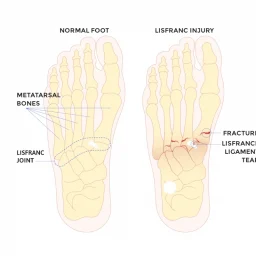
Lisfranc injuries affect the midfoot where the metatarsal bones connect to the tarsal bones. Named after French surgeon Jacques Lisfranc de St. Martin, this injury complex represents one of the most serious foot injuries in football. The mechanism typically involves a player’s foot being planted while the ankle rotates—the classic “cleat caught in turf” scenario.
Why Lisfranc Injuries Are Serious:
Lisfranc injuries damage the crucial ligaments and joints that maintain midfoot stability. Without proper treatment, these injuries lead to chronic pain, arthritis, and permanent arch collapse. Many players who return too quickly from Lisfranc injuries experience career-limiting complications.
Recognition and Diagnosis:
Midfoot swelling that doesn’t resolve within 24-48 hours warrants immediate professional evaluation. Our specialists use weight-bearing X-rays to identify subtle misalignment between bones. MRI scans reveal ligament damage that X-rays miss. Early diagnosis prevents the progression from a treatable sprain to a surgical emergency.
Treatment Protocol:
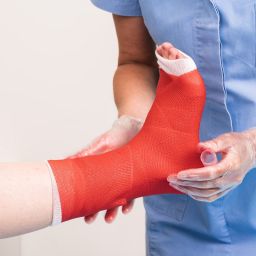
Conservative management works for stable injuries without displacement. Treatment includes immobilization in a walking boot or cast for 6-8 weeks, followed by gradual return to activity. Displaced fractures or complete ligament tears require surgical fixation with screws or plates to restore midfoot stability.
Recovery Timeline:
Athletes typically require 3-6 months before returning to competitive football after Lisfranc injuries. Rushing recovery increases the risk of reinjury and chronic complications. Our team works closely with patients through each recovery phase, monitoring healing and adjusting treatment plans accordingly.
3. Ankle Sprains: Understanding the Difference Between Standard and High Ankle Injuries
Ankle sprains represent the most common lower extremity injury in football. However, not all ankle sprains are created equal. Understanding the difference between lateral ankle sprains and syndesmotic (high ankle) sprains is crucial for proper treatment and recovery.
Lateral Ankle Sprains:
Standard ankle sprains involve the ligaments on the outside of the ankle—typically the anterior talofibular ligament (ATFL). These occur when the foot rolls inward (inversion), stretching or tearing the lateral ligaments. Most lateral ankle sprains heal within 2-4 weeks with appropriate treatment.
High Ankle Sprains (Syndesmotic Injuries):
High ankle sprains damage the syndesmotic ligaments connecting the tibia and fibula above the ankle joint. These injuries require significantly longer recovery times—often 6-12 weeks for return to sport. High ankle sprains typically result from external rotation of the foot while the leg rotates internally, common when a player’s foot is trapped under an opponent.
Distinguishing Features:
High ankle sprains cause pain above the ankle joint, between the shin bones. Patients report difficulty with cutting movements and push-off activities more than walking. Squeeze tests and external rotation tests during physical examination help differentiate high ankle sprains from lateral sprains.
Treatment Approaches:
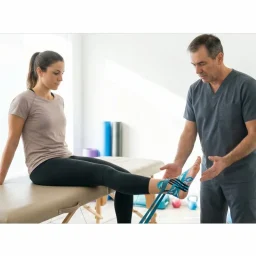
Both injury types benefit from early RICE protocol. Lateral ankle sprains respond well to functional rehabilitation emphasizing proprioception and balance training. High ankle sprains may require immobilization or surgical stabilization depending on severity. Our physical therapy protocols include sport-specific exercises that safely progress athletes back to competition.
The Role of Proprioception:
Proprioception—your body’s awareness of position in space—becomes impaired after ankle injuries. This deficit increases reinjury risk significantly. Our rehabilitation programs incorporate balance board exercises, single-leg stance drills, and sport-specific movement patterns to restore proprioceptive function and prevent chronic ankle instability.
How Modern Footwear Technology Impacts Football Injuries in 2026
Cleats vs. Turf Shoes: Finding the Right Balance
The evolution of football footwear technology has created both opportunities and challenges for injury prevention. Modern cleats provide unprecedented traction, but excessive grip can actually increase injury risk by preventing natural foot movement during pivoting and cutting.
The Traction Paradox:
When cleats grip too effectively, rotational forces that should dissipate through foot sliding instead transfer directly to ankles and knees. This mechanism contributes to ACL tears and high ankle sprains. Players should select cleats appropriate for their playing surface and position demands.
2026 Footwear Innovations:
Recent advances in cleat design include adaptive stud configurations that adjust based on surface conditions, lightweight materials that reduce fatigue, and improved ankle support systems. However, no footwear technology replaces proper technique and conditioning.
Selection Guidelines:
Choose longer studs for natural grass, shorter studs for artificial turf. Wide receivers and defensive backs benefit from aggressive traction patterns, while linemen need stability-focused designs. Replace worn cleats regularly—typically every season for competitive players.
Custom Orthotics: The Competitive Advantage
Professional athletes increasingly rely on custom orthotics to optimize performance and reduce injury risk. These medical-grade devices redistribute pressure during explosive movements, support natural arch function, and correct biomechanical abnormalities that contribute to overuse injuries.
How Orthotics Prevent Injuries:
Custom orthotics control excessive pronation (inward rolling) or supination (outward rolling) during the gait cycle. This correction reduces stress on ankles, knees, and hips while improving power transfer efficiency. Players report feeling more stable during cutting movements and experiencing less foot fatigue during games.
Benefits Beyond Professional Athletes:
Recreational players and weekend warriors benefit equally from orthotic support. Sunday league participants who play occasionally face higher injury risk due to incomplete conditioning. Orthotics provide stability and shock absorption that protect against common overuse injuries like plantar fasciitis and stress fractures.
The Fitting Process:
At Certified Foot and Ankle Specialists, we create custom orthotics using 3D foot scanning technology and gait analysis. This precision ensures optimal fit within athletic footwear. Unlike over-the-counter inserts, custom devices address individual biomechanical needs specific to football movements.
Injury Prevention for the Super Bowl Sunday Fan
Managing “Host Fatigue” and Plantar Fasciitis
Super Bowl Sunday brings unique challenges for hosts and attendees who spend hours standing on hard kitchen floors or concrete surfaces. This prolonged standing can trigger acute heel pain and exacerbate existing plantar fasciitis.
Understanding Plantar Fasciitis:
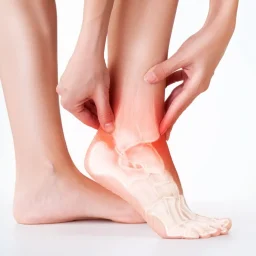
The plantar fascia is a thick band of tissue connecting your heel bone to your toes. Excessive standing, especially on hard surfaces without proper support, causes micro-tears in this tissue. Symptoms include sharp heel pain with first steps in the morning or after periods of rest.
Prevention Strategies for Game Day:
Wear supportive shoes with adequate arch support and cushioning—avoid flat sandals or going barefoot. Use anti-fatigue mats in high-traffic kitchen areas. Take regular sitting breaks every 30-45 minutes to reduce cumulative stress on feet.
Halftime Show Stretches:
Take advantage of halftime to perform simple foot and calf stretches. Stand facing a wall, place one foot behind the other, and lean forward while keeping the back heel down. Hold for 30 seconds per leg. Roll a frozen water bottle under your foot arch for 5 minutes to reduce inflammation.
Morning-After Relief:
If you wake up with heel pain after game day festivities, ice your heel for 15-20 minutes and perform gentle calf stretches before standing. If pain persists more than a few days or interferes with normal activities, schedule an evaluation with our podiatry team.
Recognizing When to Seek Professional Care
Red Flags: “Play Through It” vs. “Seek Help Now”
Understanding the difference between minor discomfort and serious injury prevents long-term complications. Some symptoms always warrant immediate professional evaluation.
Seek Immediate Care For:
- Inability to bear weight on the affected foot or ankle
- Obvious deformity or misalignment of bones or joints
- Severe swelling that doesn’t improve with RICE protocol within 24-48 hours
- Numbness, tingling, or loss of sensation in the foot
- Skin changes including excessive redness, warmth, or open wounds
- Pain that worsens progressively rather than gradually improving
- Instability or feeling that the ankle “gives way” repeatedly
Schedule Evaluation Soon For:
- Pain persisting more than a few days despite home treatment
- Recurrent ankle sprains or chronic instability
- Difficulty returning to normal activities after 1-2 weeks
- Clicking, popping, or catching sensations in joints
- Morning stiffness or pain that improves with activity but returns
- Concerns about biomechanical issues affecting performance
The Importance of Early Intervention:
Addressing injuries promptly prevents acute problems from becoming chronic conditions. Untreated ankle sprains can develop into chronic instability requiring surgical reconstruction. Early Lisfranc injury treatment prevents midfoot arthritis. Delayed turf toe management often results in prolonged recovery and permanent joint damage.
Advanced Diagnostic Technology To Treat Football Injuries
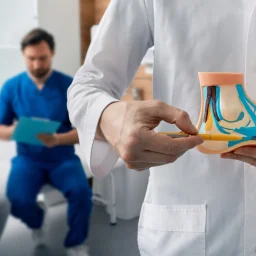
At Certified Foot and Ankle Specialists, we utilize state-of-the-art diagnostic imaging to accurately assess foot and ankle injuries. Our pedCAT weight-bearing CT scanner provides 3D visualization of bone alignment while you stand naturally, revealing problems that traditional X-rays miss.
This technology is particularly valuable for complex midfoot injuries, subtle fractures, and biomechanical analysis. We’ve treated professional athletes from teams including Miami Heat and Inter Miami CF, bringing the same advanced care to all our patients across our 14 Florida locations.
Treatment Approaches at Certified Foot and Ankle Specialists
Conservative Management
Our first-line approach emphasizes non-surgical treatment whenever appropriate. Conservative management includes:
- Immobilization and Protection: Walking boots, braces, and taping techniques provide stability while promoting healing. We customize immobilization duration based on injury severity and healing progress.
- Physical Therapy: Sport-specific rehabilitation programs restore strength, flexibility, and proprioception. Our therapists work directly with athletes to ensure safe return-to-sport progression.
Anti-Inflammatory Medications:
Nonsteroidal anti-inflammatory drugs (NSAIDs) reduce pain and swelling when used appropriately. We monitor medication use carefully to prevent potential side effects.
Injection Therapy: Corticosteroid injections provide targeted inflammation reduction for certain conditions. Platelet-rich plasma (PRP) therapy accelerates healing in chronic tendon injuries.
Surgical Interventions
When conservative treatment proves insufficient, surgical options restore function and prevent long-term complications:
- Arthroscopic Procedures: Minimally invasive techniques address cartilage damage, remove bone spurs, and repair ligaments with smaller incisions and faster recovery.
- Ligament Reconstruction: Chronic ankle instability often requires surgical ligament reconstruction using grafts to restore stability. Modern techniques provide excellent outcomes for return to competitive sports.
- Fracture Fixation: Displaced fractures require surgical alignment and stabilization with plates, screws, or pins to ensure proper healing and joint function.
- Midfoot Reconstruction: Lisfranc injuries with significant displacement need surgical fixation to restore arch mechanics and prevent arthritis development.
Recovery and Return to Football Play
Phases of Rehabilitation
Successful recovery follows structured phases that progressively increase stress on healing tissues:
- Phase 1: Protection and Early Mobility (Weeks 1-2): Focus on controlling inflammation, maintaining non-painful range of motion, and preventing muscle atrophy. Weight-bearing restrictions depend on injury type.
- Phase 2: Strengthening and Proprioception (Weeks 3-6): Progress to resistance exercises, balance training, and basic agility drills. Restore normal walking pattern before advancing activities.
- Phase 3: Sport-Specific Training (Weeks 7-12): Introduce cutting, jumping, and football-specific movements under controlled conditions. Monitor for pain or instability signs.
- Phase 4: Return to Sport (Week 12+): Gradual return to team practices and competition. Maintain injury prevention exercises throughout the season.
Preventing Reinjury
Athletes face elevated reinjury risk during their first season back from foot or ankle injuries. Preventive strategies include:
- Completing full rehabilitation program before returning to competition
- Wearing appropriate protective equipment (braces, taping)
- Maintaining flexibility and strength training year-round
- Using custom orthotics to correct biomechanical issues
- Proper warm-up and cool-down protocols
- Adequate rest between games and practices
- Addressing any lingering proprioceptive deficits
Location-Specific Care Across Florida
Certified Foot and Ankle Specialists serves athletes and active individuals across 14 locations in Florida. Our East Coast practices include Vero Beach, West Palm Beach, Boynton Beach, and Pembroke Pines. West Coast locations include Tampa, Palm Harbor, and additional sites throughout the region.
Each location provides:
- Board-certified podiatrists specializing in sports medicine
- Advanced diagnostic imaging including our pedCAT scanner
- On-site physical therapy
- Custom orthotic fabrication
- Same-week appointment availability
- Comprehensive insurance acceptance including Medicare Advantage plans
Our Tampa location serves the military community near MacDill Air Force Base, while our South Florida practices treat professional athletes from local sports teams. All locations maintain the same high standards of care that have made us the largest podiatry group in Southeast and Southwest Florida.
Conclusion: Professional Care for Every Athlete
Football injuries don’t discriminate between professional athletes and recreational players. Whether you’re preparing for Super Bowl parties or competing at any level, your feet and ankles deserve specialized care. The physical demands of football create unique injury patterns that require expert evaluation and treatment.
Early intervention prevents acute injuries from becoming chronic problems that limit activity for years. Don’t adopt the “play through it” mentality when dealing with foot or ankle pain. What seems minor today can develop into season-ending or career-limiting complications without proper treatment.
At Certified Foot and Ankle Specialists, we bring the same advanced care we provide to professional athletes to every patient. Our board-certified podiatrists understand the biomechanics of football and the specific demands placed on lower extremities during play.
You don’t need to be an MVP to deserve professional foot care. Every patient receives individualized treatment plans designed to restore function, reduce pain, and prevent future injuries.
Take Action Today
Don’t let foot or ankle pain keep you off the field or away from activities you enjoy. Schedule your evaluation at any of our 14 Florida locations. Our team provides comprehensive assessment using advanced diagnostic technology, personalized treatment plans, and expert rehabilitation guidance.
Call us today or visit our website to schedule your foot and ankle evaluation. Get back in the game with confidence.

Dr. Kyle Kinmon
*About the Author: Dr. Kyle J. Kinmon, MS, DPM, FACFAS
This article was reviewed by a board-certified podiatrist with over 15 years of experience in diagnosing and treating foot and ankle conditions. Our practice specializes in comprehensive foot care, from common conditions like tendonitis to complex surgical interventions.
Frequently Asked Questions About Football Injuries
Q: How long does it take to recover from turf toe?
A: Recovery depends on injury grade. Mild cases (Grade 1) improve within 1-2 weeks. Moderate sprains (Grade 2) require 3-4 weeks. Severe injuries (Grade 3) with complete ligament tears may need 6-12 weeks or surgical intervention. Returning too quickly significantly increases reinjury risk.
Q: Can I play football with a high ankle sprain?
A: High ankle sprains require complete healing before return to football. Attempting to play with an unstable syndesmosis dramatically increases the risk of permanent ligament damage and chronic pain. Most athletes need 6-12 weeks of structured rehabilitation before safely returning to competition.
Q: Do I need surgery for a Lisfranc injury?
A: Surgery requirements depend on injury severity and displacement. Stable injuries without bone displacement may heal with immobilization. Any displacement of midfoot bones typically requires surgical fixation to prevent arthritis and chronic instability. Our specialists use advanced imaging to determine the best treatment approach.
Q: What’s the difference between custom orthotics and store-bought insoles?
A: Custom orthotics are prescription devices fabricated from precise foot measurements and gait analysis. They address specific biomechanical abnormalities unique to your feet. Store-bought insoles provide generic arch support but cannot correct individual alignment issues or redistribute pressure as effectively as custom devices.
Q: How can I prevent ankle sprains during football?
A: Prevention combines proper conditioning, technique, and equipment. Strengthen ankles through resistance band exercises and single-leg balance training. Wear appropriately fitted cleats for your playing surface. Consider prophylactic ankle taping or bracing if you have prior injury history. Complete proper warm-up protocols before practices and games.
Q: Should I ice or heat my foot injury?
A: Use ice during the first 48-72 hours after acute injury to reduce inflammation and swelling. Apply for 15-20 minutes every 2-3 hours. After initial inflammation subsides, alternating heat and ice can promote healing. Heat increases blood flow but should never be applied to acute injuries with active swelling.