When it comes to foot health, we often underestimate its importance until we’re faced with discomfort or pain. Whether it’s bunions, hammertoes, stress fractures, or plantar fasciitis, these conditions can hinder our daily lives and keep us from enjoying our favorite activities. At Certified Foot and Ankle Specialists, Dr. Bowles is practicing advanced minimally invasive bunion surgery procedures to help patients feel better quickly and stay active.
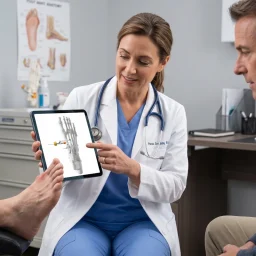
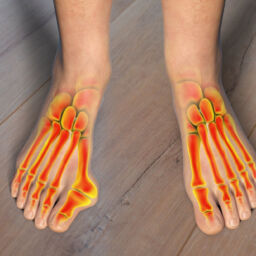
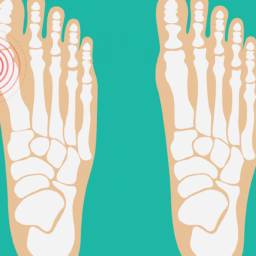
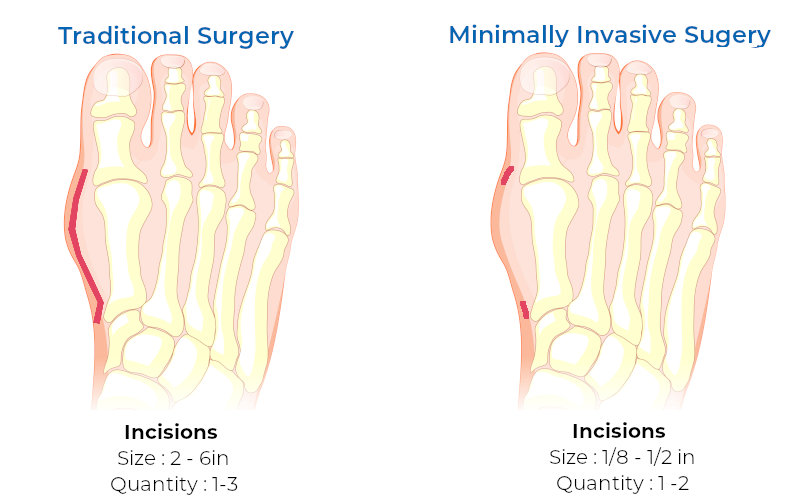
For someone who has a painful bump over the big toe joint, it may be a painful bunion deformity. A foot and ankle surgeon can evaluate if you need surgery and if you qualify for minimally invasive surgery options. These surgery procedures are outpatient same-day procedures that require twilight anesthesia and you can walk the same day. These procedures involve tiny incisions in the skin, correction of the bump, and minimal recovery time due to minimally invasive bunion correction techniques.
What is minimally invasive bunion surgery?
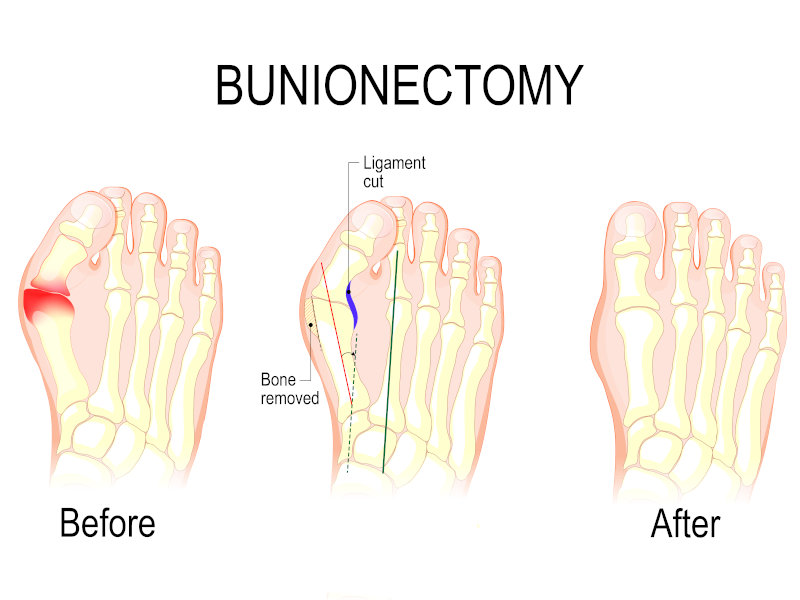
Minimally invasive bunionectomy is a surgical procedure making tiny incisions and using special instruments for cutting the bones and realigning the big toe joint. The surgical procedure involves tiny incisions in the skin to allow special instruments to cut and realign the bones of the big toe joint and to allow for pins or screws to be placed permanently to hold the bunion correction.
For the commonly encountered painful hammertoe deformity, we offer minimally invasive hammertoe procedures that ensure quicker recovery times, less postoperative discomfort and an excellent success rate. We utilize a technique called a flexor tenotomy, a procedure that involves releasing the tendon causing the deformity. This allows the toe to regain its normal position without major surgery. It’s a quick, in-office procedure that can significantly improve your quality of life.
Another minimally invasive procedure offered is in the innovative treatment of stress fractures. For active patients who are injured but are unable to be off the foot for 8 weeks, we offer a subchondroplasty procedure, which is a minimally invasive solution for stress fractures. This procedure involves putting a bone substitute into the affected area which promotes healing and helps restore normal foot function and reduce pain with little downtime.
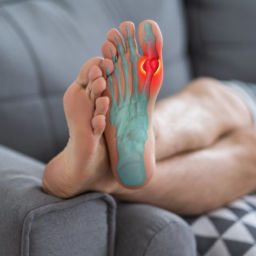
Plantar fasciitis is a common foot issue that can linger for months in some cases and severely limit daily activity. Another minimally invasive option in our treatment repertoire includes endoscopic plantar fasciotomy for those suffering from chronic plantar fasciitis. This is a common condition that can cause pain in the heel for months in some severe cases. This procedure involves making small incisions to introduce a camera and a small, specialized instrument to visualize and release tension in the plantar fascia ligament. The result? A safe procedure that provides a major reduction in heel pain and a faster path to recovery.
Nerve pain and neuropathy is a common condition that is frustrating and debilitating for many patients and many doctors do not offer minimally invasive treatment options. For patients with burning, tingling, numbness, and balance issues a peripheral nerve stimulator may be an ideal option. This procedure is a minimally invasive procedure used to treat pain and numbness in the legs and feet and can be performed safely in patients with diabetes or patients with swelling in the legs since it is performed with tiny incisions. Patients have excellent results and relief from years of pain in their legs and feet with fast recovery.
Don’t let foot, ankle, or leg pain dictate your life. With minimally invasive surgery procedures, all without the need for a large incision or a long recovery period, you can step forward into a pain-free future. Book an appointment with Dr. Bowles at our Boca Raton Podiatric Clinic today and experience the difference of compassionate and innovative podiatric care.

Dr. Ashley Bowles
*About the Author: Dr. Ashley Bowles ,DPM
This article was reviewed by a board-certified podiatrist with over 15 years of experience in diagnosing and treating foot and ankle conditions. Our practice specializes in comprehensive foot care, from common conditions like tendonitis to complex surgical interventions.
Frequently Asked Questions About Minimally Invasive Bunion Surgery
Q: What are the best bunion surgery recovery tips to heal faster?
A: Keep the surgical area clean and dry, avoid tight footwear, and follow your podiatrist’s post-operative instructions closely. Elevating the foot during the first few days reduces swelling, and attending all follow-up appointments ensures proper healing. Most patients return to normal activity within 4–6 weeks with minimally invasive techniques.
Q: How long does a bunion procedure take?
A: Minimally invasive bunion surgery is an outpatient, same-day procedure typically completed in under an hour. It requires only twilight anesthesia, so patients are awake but comfortable throughout. Because no large incisions are made, the procedure is straightforward and patients can walk out of the clinic the same day.
Q: What are the benefits and risks of minimally invasive bunion surgery?
A: The primary benefits include smaller incisions, reduced scarring, lower infection risk, and a significantly faster recovery compared to traditional open surgery. As with any surgical procedure, risks include temporary swelling, toe stiffness, or the need for revision surgery in rare cases. A board-certified podiatrist will evaluate whether you are a good candidate before proceeding.
Q: What type of shoes should I wear after bunion surgery?
A: Immediately after surgery, a post-operative surgical shoe or boot is required to protect the foot and maintain proper alignment. Once cleared by your doctor, wide-toe box shoes with good arch support are recommended to prevent pressure on the corrected joint. Avoid high heels and narrow footwear, as these can aggravate the bunion and slow recovery.
Q: What bunion exercises can help during recovery?
A: Gentle toe range-of-motion exercises, such as slow flexion and extension of the big toe, are often recommended once initial healing is underway. Low-impact activities like swimming or cycling may be introduced as your podiatrist approves. Avoid any high-impact exercise until you receive clearance, as premature stress can disrupt bone alignment.
Q: When should I see a doctor for my bunion?
A: You should consult a podiatrist if you experience persistent pain at the base of the big toe, visible swelling or a bony bump that worsens over time, or difficulty walking in normal footwear. Early evaluation gives you more non-surgical options before the deformity progresses. If conservative treatments have already failed, a specialist can determine whether minimally invasive bunion surgery is right for you.