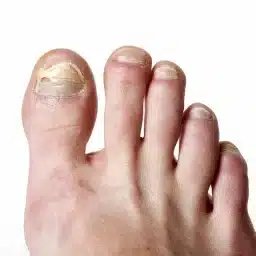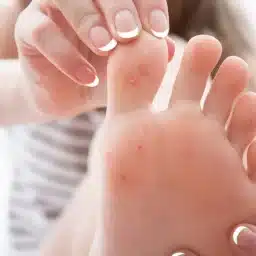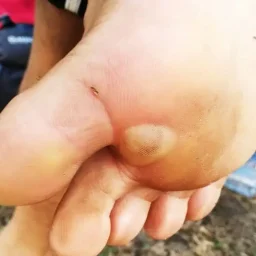

Whether you’re dealing with a single wart or multiple lesions, knowing how to remove plantar warts effectively can help you find relief and prevent recurrence. Plantar warts are stubborn, often painful growths on the sole of your foot caused by the human papillomavirus (HPV). At Certified Foot and Ankle Specialists, our board-certified podiatrists have treated thousands of plantar wart cases across South Florida using both conservative and advanced medical approaches.
Key Takeaways
- Plantar warts develop from HPV exposure: These are contagious growths that spread through skin-to-skin contact and public showers. They won’t disappear on their own without treatment.
- Multiple removal methods exist: Home remedies like salicylic acid and duct tape work for mild cases, while professional treatments include cryotherapy, laser removal, and topical medications.
- Professional treatment is more effective: Board-certified podiatrists achieve higher cure rates because they can accurately diagnose warts and rule out stress fractures or other foot conditions.
- Self-treatment risks complications: Improper removal attempts can spread the virus, damage healthy skin tissue, and delay effective healing.
- Prevention requires consistent habits: Wearing comfortable shoes, avoiding public showers barefoot, and maintaining foot hygiene reduce your risk of plantar warts significantly.
Understanding Plantar Warts: What You Need to Know
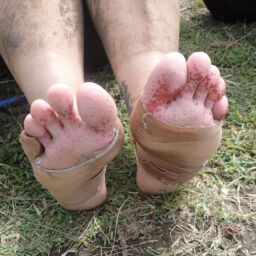
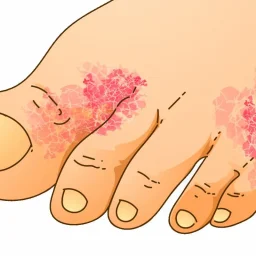
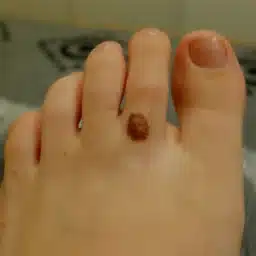
Plantar warts are benign skin growths on the bottom of your foot caused by the human papillomavirus. Unlike common warts on other parts of your body, plantar warts grow inward due to the pressure and weight placed on your feet. This growth pattern can make them painful and difficult to treat without professional intervention. This why it is important to make sure our patients know the difference ways on how to remove plantar warts and what works best.
How Plantar Warts Develop
Infection occurs through skin-to-skin contact or exposure in warm, moist environments like public showers. The virus weakens your immunity to HPV, allowing the wart to establish itself. Once infected, the wart may include small clusters of dark spots (tiny blood vessels) visible on the surface.
The virus thrives in environments where skin is compromised or weakened. People with weakened immune systems face higher infection risk. The condition is contagious, making proper foot hygiene and protective measures essential to prevent spreading to other body parts or to other people.
Causes and Risk Factors for Plantar Warts
Several factors increase your likelihood of developing plantar warts:
- Frequent exposure to public showers, pools, or gym facilities
- Walking barefoot in warm, moist areas where the virus spreads easily
- Cuts or breaks in the skin on your foot or sole
- Weakened immune system from illness, medication, or chronic conditions
- Age between 12-16 years old (though adults develop them too)
- Family history of plantar warts or susceptibility to HPV
- Spending extended time in damp environments
How to Remove Plantar Warts: Treatment Options
The best method to remove plantar warts depends on the wart’s size, location, your pain tolerance, and how long you’ve had it. Below are proven approaches ranked by effectiveness and speed.
Home Remedies and Self-Care Treatments
Salicylic Acid Application This is the most accessible home treatment option. Salicylic acid dissolves the outer layers of the wart gradually. Apply the acid directly to the wart according to package directions, typically once or twice daily. Treatment takes 2–12 weeks depending on wart size and depth. Results are slower than professional methods but work for mild cases.
Duct Tape Occlusion Some people wear comfortable shoes with silver duct tape over the wart to remove plantar warts by blocking air and moisture. The mechanism is unclear, but some studies show modest effectiveness. Change the tape daily and reapply for several weeks.
Freeze the Wart at Home Over-the-counter freezing kits use liquid nitrogen alternatives to destroy the wart tissue. Results vary widely, and this approach works best on small warts. Most require repeated applications and carry a risk of skin damage if misused.
Home remedies require patience and consistency. They rarely eliminate deep or stubborn warts completely, and improper technique can spread the virus to other body parts. If home treatment fails after 4–6 weeks, professional intervention becomes necessary.
Professional Medical Treatments (Most Effective)
Cryotherapy (Freezing) A podiatrist uses liquid nitrogen to freeze the wart at extremely cold temperatures. This destroys the tissue and triggers your immune system to remove the wart. Sessions take 5–10 minutes. Results appear within 1–3 weeks. This treatment option is highly effective and has minimal downtime.
Laser Removal (Advanced) Board-certified podiatrists use specialized lasers to precisely target and vaporize wart tissue while minimizing damage to surrounding skin. Laser treatment options provide excellent results for resistant warts. Recovery is faster than older methods, and recurrence rates are lower.
Topical Medications and Injections Prescription-strength medications or immunotherapy injections stimulate your body’s natural defense against HPV. These treatments work well when combined with other modalities and are especially useful for patients with multiple warts or weakened immunity.
| Treatment Method | Timeframe | Cost | Effectiveness |
|---|---|---|---|
| Salicylic Acid | 2-12 Weeks | $10-30 | Moderate (60-70%) |
| Duct Tape | 4-8 Weeks | $5-10 | Low to Mederate (40-60%) |
| Cryotherapy | 1-3 Weeks | $100-300 | High (80-90%) |
| Laser Removal | 1-2 Weeks | $200-500 | Very High (85-95%) |
| Topical Injections | 2-4 Weeks | $150-400 | High (75-85%) |
| Professional Combination | 1-3 Weeks | $300-700 | Excellent (90%+) |
When to Seek Professional Care from a Podiatrist
Contact a board-certified podiatrist if you experience:
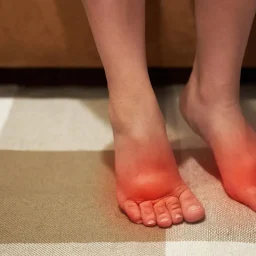
- Severe pain that interferes with walking or wearing comfortable shoes
- Multiple plantar warts that spread across your foot or sole
- Signs of infection: warmth, redness, drainage, or increased swelling
- Home treatment options fail after 4–6 weeks of consistent use
- Difficulty distinguishing between a wart and other foot conditions (stress fractures, calluses)
- Weakened immune system or diabetes affecting foot health
- Warts on the ball of your foot causing gait problems
Professional evaluation is especially important if you’re unsure about whether you have a plantar wart or another condition. Stress fractures and other foot injuries can mimic wart symptoms. Accurate diagnosis determines the correct treatment path.
Prevention: Stop Plantar Warts Before They Start
Preventing plantar warts is far easier than removing them. Use these strategies to reduce your infection risk significantly:
- Protect Your Feet in Public Spaces: Wear protective footwear like flip-flops or shower shoes in public showers, locker rooms, pools, and gyms. The virus spreads through skin-to-skin contact in warm, moist environments. This single habit reduces infection risk by up to 80%.
- Maintain Proper Foot Hygiene: Wash your feet daily with soap and water. Dry thoroughly, especially between your toes. Keep your toenails trimmed short to prevent accidental cuts. If you have any cuts on your foot, treat them promptly with antiseptic.
- Wear Comfortable, Supportive Footwear: Tight shoes that compress your foot or create pressure points increase wart risk. Choose shoes that provide proper arch support and don’t rub or irritate your feet. Replace worn athletic shoes regularly to maintain protection.
- Strengthen Your Immune System: A strong immune response helps your body fight HPV infection. Eat a balanced diet rich in vitamins and minerals, exercise regularly, get adequate sleep, and manage stress. These lifestyle habits reduce your overall infection vulnerability.
- Avoid Picking or Scratching at Warts: If you already have a wart, resist the urge to pick at it. This spreads the virus to other parts of your foot and can introduce bacterial infection. Covering the wart helps prevent accidental trauma.
Recovery and Aftercare Following Wart Removal
After professional treatment, proper aftercare maximizes healing and reduces recurrence risk. Most patients return to normal activities immediately, though some tenderness may persist for 1–2 weeks.
- Keep the treated area clean and dry for 24–48 hours after treatment
- Avoid public showers, pools, and gym facilities for 1–2 weeks to prevent secondary infection
- Wear comfortable shoes that don’t put pressure on the treated area
- Take over-the-counter pain relievers if needed (ibuprofen or acetaminophen)
- Watch for signs of infection and contact your podiatrist immediately if present
- Attend follow-up appointments to monitor healing and assess for recurrence
Recurrence is possible even after successful removal because HPV remains in your body. Maintaining preventive habits significantly reduces the risk of developing new warts in the same location.
Expert Plantar Wart Removal at Certified Foot and Ankle Specialists
At Certified Foot and Ankle Specialists across South Florida, our board-certified podiatrists diagnose and treat plantar warts using the latest technology and evidence-based approaches. With offices in Boca Raton, Boynton Beach, Pembroke Pines, and other locations, we’re conveniently accessible to residents throughout the south florida east and west coast region. Book a foot appointment online.
Our comprehensive approach includes:
- Accurate diagnosis to rule out other foot conditions
- Advanced laser treatment for fast, effective removal
- Cryotherapy and topical medication options tailored to your case
- Personalized prevention strategies to reduce recurrence risk
- Follow-up care and monitoring to ensure complete healing
Don’t let plantar warts limit your mobility or comfort. Contact Certified Foot and Ankle Specialists today to schedule a consultation and discover how we can help you achieve healthy, pain-free feet.
Conclusion
Learning how to remove plantar warts effectively requires understanding your treatment options and being honest about what works. While home remedies may help mild cases, professional treatment delivers superior results with minimal downtime. Whether you choose cryotherapy, laser removal, or topical medications, the key is addressing the problem promptly to prevent spread and complications. With proper prevention habits and early intervention when new warts appear, you can maintain healthy feet and enjoy an active lifestyle free from wart-related pain and worry.

Dr. Kyle Kinmon
*About the Author: Dr. Kyle Kinmon ,DPM
This article was reviewed by a board-certified podiatrist with over 15 years of experience in diagnosing and treating foot and ankle conditions. Our practice specializes in comprehensive foot care, from common conditions like tendonitis to complex surgical interventions.
Frequently Asked Questions About Plantar Wart Removal
Q: Will plantar warts go away on their own?
A: Rarely. Most plantar warts persist without treatment because the virus remains active. While a small percentage resolve naturally (usually in immunocompetent individuals), waiting months or years is not practical. Professional removal is faster and more reliable.
Q: How long does laser removal take?
A: A single laser session typically takes 15–30 minutes depending on wart size and quantity. You may need 1–3 sessions spaced 4–6 weeks apart. Most patients see complete resolution within 2–4 weeks of their first treatment.
Q: Is plantar wart removal painful?
A: Most home treatments cause minimal discomfort. Professional treatments like cryotherapy may cause brief stinging during application, but this fades quickly. Post-treatment soreness is usually manageable with over-the-counter pain relief.
Q: Can I treat plantar warts myself?
A: Home remedies work for some mild cases, but professional treatment has significantly higher success rates (80–95% vs. 40–70%). If you value your time and want reliable results, professional care is recommended.
Q: Are plantar warts contagious?
A: Yes. The human papillomavirus spreads through direct skin-to-skin contact and in warm, moist environments. You can spread warts to other people and to other areas of your own feet. Protect others by wearing shoes in shared spaces.