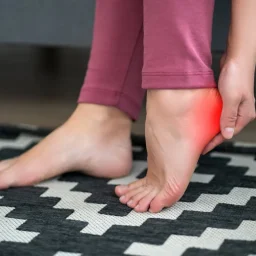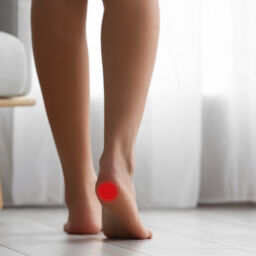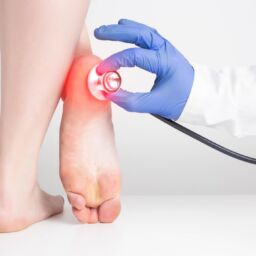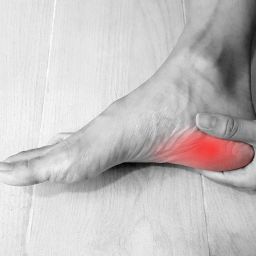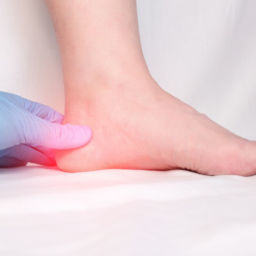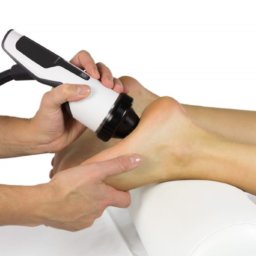
Heel pain is most frequently caused by plantar fasciitis, which is an inflammation of the tissue running across the bottom of your foot. Additional common causes behind a hurting heel include Achilles tendonitis, heel spurs, bursitis, nerve entrapment, and stress fractures. The exact timing and location of your symptoms usually indicate the specific root cause, especially if you experience sharp pain during your first steps in the morning or an ache at the back of the heel after running. Heel pain is the most common complaint I see in my practice. Whether it hits with your first step out of bed or builds throughout the day, heels that hurt if ignored rarely resolve without treatment. Understanding why your heel hurts is the first step toward the right treatment, and getting back to pain-free movement.
Key Takeaways
- Most common cause: Plantar fasciitis accounts for approximately 11-15% of heel pain cases and involves inflammation of the thick band of tissue along the bottom of your foot.
- Morning pain is a red flag: Sharp heel pain during your first few steps after waking is a hallmark symptom that warrants professional evaluation.
- Flat feet and high arches: Both structural issues place abnormal stress on the heel bone and plantar fascia, making you more susceptible to chronic pain.
- Don’t ignore it: Heel pain lasting more than a few weeks rarely self-resolves and often worsens without targeted treatment from a foot and ankle specialist.
- Most cases avoid surgery: Physical therapy, orthotics, anti-inflammatory treatment, and fitted shoes resolve the majority of heel pain conditions without surgical intervention.
Common Causes of Heel Pain
Pinpointing the source of your discomfort begins with mapping out exactly where the irritation occurs. At Certified Foot and Ankle Specialists, we look closely at how the pain behaves under different physical loads to identify the underlying condition.
Pain at the Bottom of Your Heel
When discomfort is concentrated underneath your foot, it usually points to a structural or mechanical strain on the tissues supporting your arch.
- Plantar Fasciitis: This condition stems from micro-tears in the thick ligament along your sole. It is famous for causing an intense, stabbing sensation when you first stand up out of bed.
- Heel Spurs: These calcium deposits form on the bottom of the heel bone over time. While the bone growth itself isn’t sharp, it severely irritates the surrounding soft tissues during movement.
- Stress Fractures: Small hairline cracks can develop in the heel bone due to repetitive impact, leading to a deep, localized ache that worsens under direct pressure.
- Nerve Entrapment: Compression of the nerves traveling into the foot can mimic muscular pain, instead presenting as a localized burning or tingling across the bottom of the heel.
Pain at the Back of Your Heel
Pain localized behind the foot or where the lower leg meets the ankle typically involves the connective tissues responsible for ankle extension and flexibility.
- Achilles Tendonitis: Repetitive strain or sudden increases in activity can inflame the large tendon at the back of your heel, causing stiffness, tenderness, and a dull ache during movement.
- Bursitis: This is the inflammation of the tiny, fluid-filled cushions that prevent friction between your bones and tendons, often resulting in localized swelling and deep tenderness behind the heel.
- Sever’s Disease: Specifically found in children and teenagers who are physically active, this condition is caused by the calf muscles pulling against the vulnerable growth plate of the developing heel bone.
What Are the Risk Factors for Heel Pain?
Heel pain rarely strikes out of nowhere; it is usually the result of mechanical strain amplified by certain physical conditions or daily habits. You face a higher probability of developing heel issues if you:
- Carry excess body weight: Extra weight significantly multiplies the physical force exerted on your heel bone and supportive ligaments with every step.
- Have flat feet or high arches: Biomechanical imbalances shift how your weight is distributed across the foot, placing irregular stress on the arch.
- Engage in high-impact sports: Repetitive running, jumping, or sudden athletic pivoting places intense, continuous strain on the lower leg tendons.
- Stand for long periods on hard floors: Working long shifts on concrete or unyielding surfaces rapidly wears down your feet’s natural shock absorbers.
- Wear unsupportive shoes: Routinely walking in flat sandals, high heels, or worn-out sneakers leaves your feet completely vulnerable to structural strain.
Plantar Fasciitis: The Most Frequent Cause
Plantar fasciitis occurs when the plantar fascia, a thick band of tissue running from your heel bone to the ball of your foot becomes inflamed from repetitive strain. The result is sharp, stabbing pain concentrated at the bottom of the heel, classically worst with the first steps of the day or after long periods of rest.
Risk factors include flat feet, high arches, standing for long periods, sudden increases in activity, and wearing shoes with poor arch support. Athletes and people who spend extended time on hard surfaces are especially vulnerable.
Achilles Tendonitis: Pain at the Back of the Heel
The Achilles tendon connects your calf muscles to your heel bone. When overloaded, it becomes inflamed and causes pain at the back of the heel or lower calf. Achilles tendonitis is particularly common in runners who rapidly increase mileage and in middle-aged patients who are active on weekends without consistent conditioning.
Left untreated, chronic Achilles tendonitis can progress to an Achilles tendon tear — a much more serious injury that can require surgical repair. Early evaluation and physical therapy are critical for preventing that outcome.
Heel Spurs: Bony Growths That Cause Chronic Discomfort
Heel spurs are bony growths that develop on the underside of the heel bone in response to chronic stress on the plantar fascia. Despite what many patients believe, the spur itself is often not the direct source of pain — the surrounding soft tissue inflammation is. However, spurs can complicate plantar fasciitis and contribute to persistent discomfort, particularly with weight-bearing.
Other Causes Worth Knowing
Several other conditions can produce heel pain that gets misdiagnosed or overlooked:
- Stress fractures from repetitive impact, often seen in athletes or patients with osteoporosis
- Bursitis (inflammation of the bursa sac behind the heel)
- Nerve entrapment (tarsal tunnel syndrome), which causes burning or shooting pain
- Sever’s disease in growing children and adolescents, caused by growth plate stress
How to Tell What’s Causing Your Heel Pain
The location and timing of your heel pain provides important diagnostic clues. Use this quick-reference guide to understand what your symptoms may indicate before your appointment.
Pain Location |
When It Hurts Most |
Likely Condition |
|---|---|---|
| Bottom of heel | First steps in morning | Plantar fasciitis |
| Back of heel / lower calf | During or after running | Achilles tendonitis |
| Bottom of heel | Throughout the day with walking | Heel spur |
| Around the ankle / heel | Burning or tingling sensation | Nerve entrapment |
| Deep inside heel | With impact or direct pressure | Stress fracture |
| Heel in children 8–15 | During or after sports | Sever’s disease |
Treatment Options for Heel Pain
The good news: the vast majority of heel pain cases respond well to conservative care. Here is how we typically approach treatment at Certified Foot and Ankle Specialists, progressing from the least to most invasive options.
Step 1: At-Home Treatment for Heel Pain (Days 1-7)
- Rest and activity modification – Reduce high-impact activity but avoid complete inactivity, which can stiffen the plantar fascia.
- Ice therapy – Apply ice wrapped in a cloth for 15–20 minutes up to three times a day to control inflammation.
- Proper footwear – Switch to well-fitted shoes with firm arch support. Avoid walking barefoot on hard floors.
- Stretching – Calf and plantar fascia stretches first thing in the morning reduce morning heel hurt significantly.
Step 2: Medical Treatment for Heel Pain (Weeks 1–6)
When home care does not provide sufficient relief within one to two weeks, professional intervention is necessary. Our podiatrists may recommend:
- Anti-inflammatory medications (NSAIDs): to manage acute inflammation of the plantar fascia or Achilles tendon
- Physical therapy: targeted strengthening, gait correction, and deep tissue work to find relief and prevent recurrence
- Custom orthotics: prescription-grade inserts that correct biomechanical issues in flat feet or high arches
- Corticosteroid injections: used selectively for severe plantar fasciitis when other measures fail
Step 3: Advanced and Surgical Options for Heel Pain
Fewer than 10% of patients require surgery for heel pain. For chronic or severe cases that do not respond to conservative care, our board-certified surgeons at Certified Foot and Ankle Specialists offer minimally invasive procedures including plantar fascia release, Achilles tendon repair, and surgical removal of bony growths when necessary.
When to Schedule an Appointment
Not all heel hurt requires urgent care, but certain signs should prompt you to see a local podiatrist without delay:
- Heel pain that persists beyond two to three weeks despite rest and home care
- Severe pain that limits your ability to walk or bear weight
- Swelling, redness, or warmth around the heel bone
- Numbness or tingling extending into the foot and ankle or toes
- Heel pain in a child that worsens during or after physical activity
- Pain following a fall, impact, or sudden trauma that may suggest a stress fracture
How to Prevent Heel Pain from Coming Back
Prevention is far easier than treatment. After you find relief, maintaining these habits will significantly reduce your risk of recurrence:
- Wear properly fitted shoes with adequate arch support — avoid worn-out footwear that no longer provides cushioning
- Stretch daily, focusing on calf muscles and the plantar fascia, especially before morning activity
- Maintain a healthy weight to reduce excess load on the heel bone and plantar fascia during long periods of standing or walking
- Progress activity gradually when starting a new exercise program — sudden increases in intensity are a primary cause of plantar fasciitis
- Use custom orthotics if you have flat feet or high arches to distribute pressure evenly across the foot and ankle

Dr. Ashley Bowles
*Medically Reviewed by: Dr. Ashley Bowles, DPM, FACFAS
This article was reviewed by a board-certified podiatrist with over 15 years of experience in diagnosing and treating foot and ankle conditions. Our practice specializes in comprehensive foot care, from common conditions like tendonitis to complex surgical interventions.
Frequently Asked Questions About Morning Heel Pain
Q: Why does my heel hurt in the morning when I first get out of bed?
A: Morning heel pain is the hallmark symptom of plantar fasciitis. During sleep, the plantar fascia tightens. That first step stretches it suddenly, causing sharp pain. The pain often improves after a few minutes of walking but returns after long periods of rest or sitting.
Q: How long does heel pain typically last?
A: Mild heel pain from overuse may resolve in one to two weeks with rest and home care. Plantar fasciitis, if addressed early, typically improves within six to eight weeks of consistent treatment. Chronic or untreated cases can persist for months. Seeking care early dramatically improves recovery time.
Q: Can the wrong shoes cause heel pain?
A: Absolutely. Poorly fitted shoes, worn-out athletic footwear, and flat sandals without arch support are among the most common contributors to heel hurt. Shoes that do not match your foot type — particularly if you have flat feet or high arches — place abnormal stress on the plantar fascia and heel bone.
Q: Is it safe to keep running or exercising with heel pain?
A: It depends on the cause and severity. Mild discomfort that resolves quickly may allow for modified low-impact activity. However, continuing high-impact exercise through significant heel hurt risks worsening plantar fasciitis, progressing Achilles tendonitis to a tear, or developing a stress fracture. A podiatrist can advise based on your specific condition.
Q: Do I need surgery for heel pain?
A: Surgery is rarely necessary. More than 90% of patients with plantar fasciitis and other common heel conditions find relief through conservative care: physical therapy, custom orthotics, anti-inflammatory treatment, and properly fitted shoes. Surgical options are reserved for cases that fail conservative treatment after six to twelve months.
Q: When should I see a podiatrist for heel pain?
A: Schedule an appointment if your heel pain lasts more than two to three weeks, prevents normal walking, is accompanied by swelling or numbness, or occurs in a child who is still growing. Early evaluation leads to faster recovery and prevents progression to a chronic condition.